On January 23, the 4th International Forum on Carbon Neutrality (Xi’an), jointly hosted by XSYU and Northwest University, was successfully opened in Xi’an.The forum aimed to boost the low-carbon transition in the energy sector and advance the strategic goals of carbon peaking and carbon neutrality.
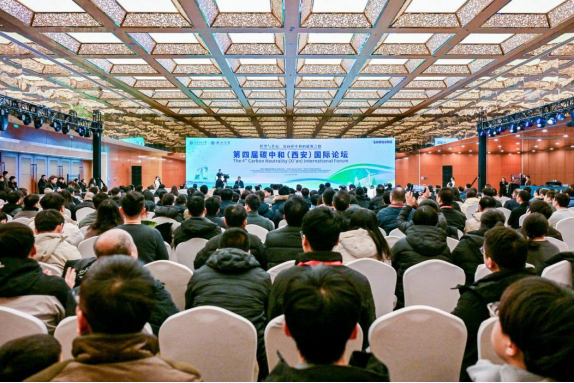
The 4th International Forum on Carbon Neutrality (Xi’an), themed“Transformation and Win-Win Cooperation: The Energy Road Toward Carbon Neutrality”, organized by the Shaanxi Provincial Development and Reform Commission and the Shaanxi Provincial Department of Science and Technology, with strong support from Samsung (China) Semiconductor Co.,Ltd.The opening ceremony of the forum was attended by Li Yang, Li Gensheng and other academicians of the Chinese Academy of Engineering, Canadian academicians Tayfun Babadagli and Y. Frank Cheng, senior officials from relevant Shaanxi provincial departments, Piao Xingyu, Chairman of Samsung (China) Semiconductor Co., Ltd., as well as university leaders including Chang Jiang, Chen Fulin, Yan Junjie and Li Yingbo.More than 500 renowned experts, scholars and representatives from government agencies, enterprises and universities in the energy sector at home and abroad participated in the forum.
The opening ceremony was presided over by Wang Jinfu,president of our university.
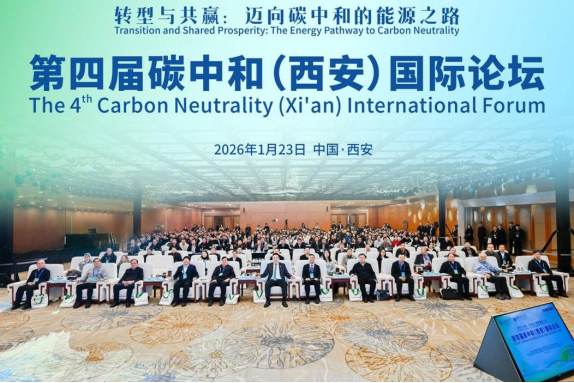
At the opening ceremony, Bai Chongjun, representative of the Shaanxi Provincial Department of Science and Technology, extended congratulations on the successful opening of the forum. He stressed that as a major energy province, Shaanxi is vigorously promoting the green and low-carbon transformation of its energy structure and actively exploring pathways to achieve carbon neutrality. Shaanxi will continue to optimize the innovation environment and provide better services and support for academicians, experts, universities and enterprises to jointly pool wisdom and strength.
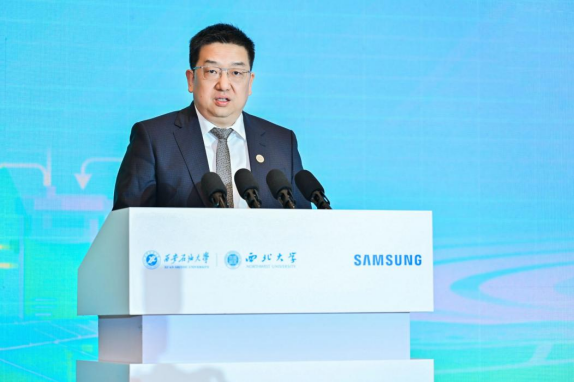
Ma Hongsheng addressed that Shaanxi will step up the development of renewable energy and modern power systems, upgrade industries while promoting clean coal application, and fully implement the dual control over carbon emissions. He anticipated the forum will propose pragmatic solutions to accelerate the green and low�carbon shift of the energy sector.
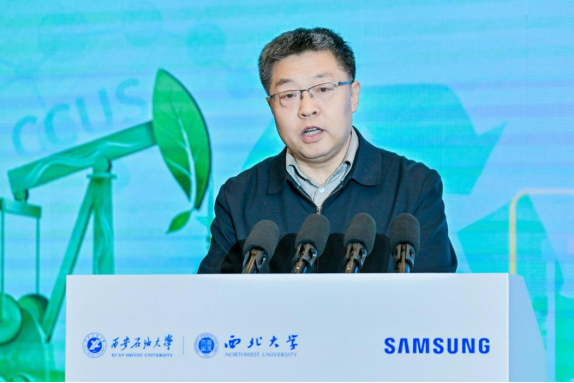
On behalf of Samsung Semiconductor, Piao Xingyu expressed his honor to support this high-level international exchange platform as a green high-tech enterprise deeply rooted in Shaanxi. In line with China’s dual carbon goals and Shaanxi’s green development vision, Samsung will continue to improve energy efficiency and expand the use of renewable energy. The company will promote low-carbon development across the whole industrial chain, pursue coordinated progress in economic, social and ecological benefits, and contribute to tackling global climate change and building a sustainable future.
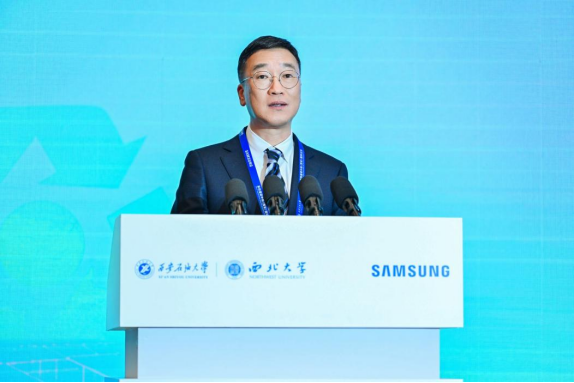
Chang Jiang extended a warm welcome to all guests attending the forum. He then offered a brief overview of the university’s development trajectory and its notable progress in key areas, particularly in advancing the “dual carbon” goals and integrating oil and gas with new energy sources.Under the background of the global energy system’s fast shift toward green, diversified and intelligent development, Xi’an Shiyou University, as a university with distinct energy characteristics, will persist in promoting the green transformation of traditional energy and innovative integration of new energy technologies, with greater efforts to ensure national energy security and realize the dual-carbon strategic objectives.
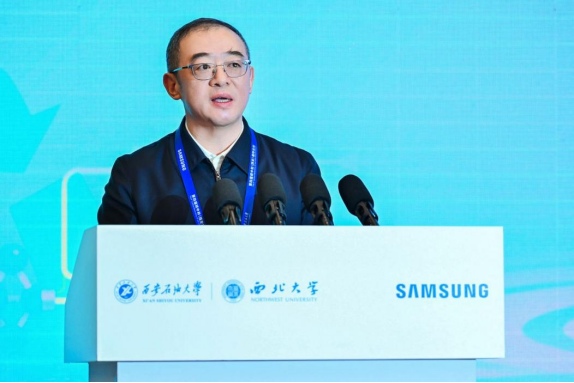
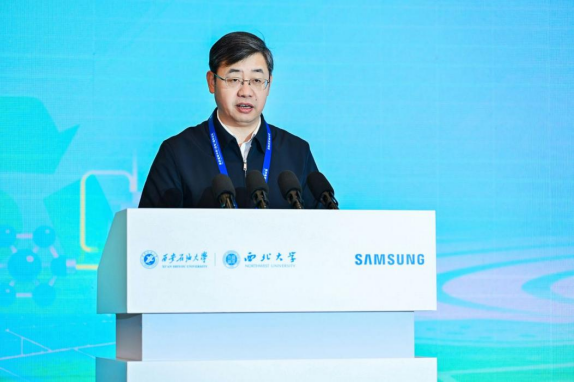
President Wang Jinfu Hosted the Opening Ceremony of the Forum
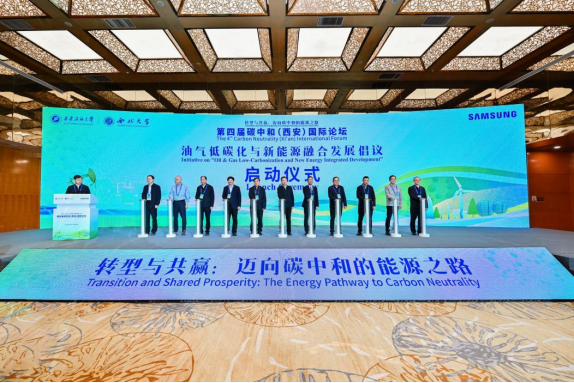
On the opening ceremony of the forum, the Initiative on Low�carbon Development of Oil and Gas and Integrated Development of New Energy was jointly launched by the distinguished guests present. It calls on the energy industry to pursue greater technological integration and industrial collaboration, stronger cross-disciplinary research and industrial demonstration, faster development of an integrated and comprehensive energy system, and more effective cultivation of interdisciplinary talents.With wider international cooperation, China’s experience will offer valuable insights for collective progress in the green transformation of the global energy sector.
In the keynote session, distinguished scholars from China and overseas, including Li Yang, Li Gensheng, Gao Xionghou, Wang Xiangzeng, Tayfun Babadagli and Y. Frank Cheng, conducted in-depth discussions on frontier topics, which include engineering carbon cycling, CCUS technologies, chemical conversion of carbon dioxide, innovations in oil and gas engineering and global carbon sequestration practices.The keynote session washosted by Zhang Rongjun, Vice President of Xi’an Shiyou University.
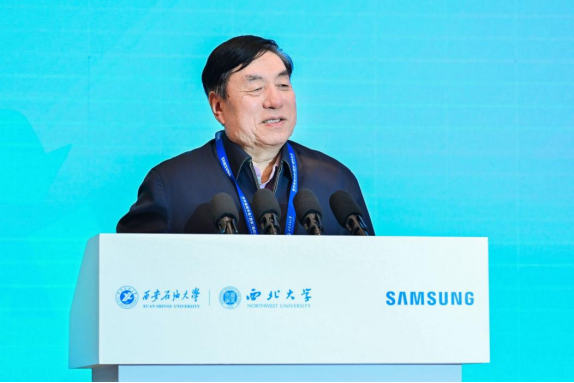
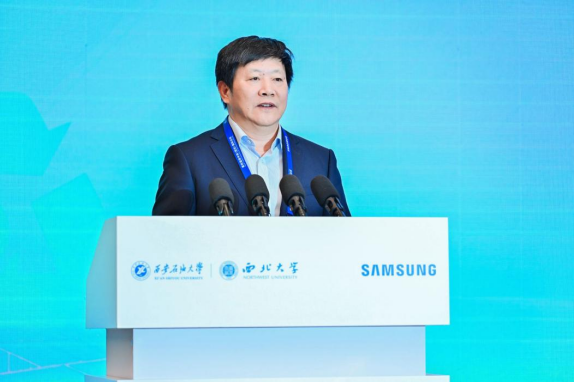
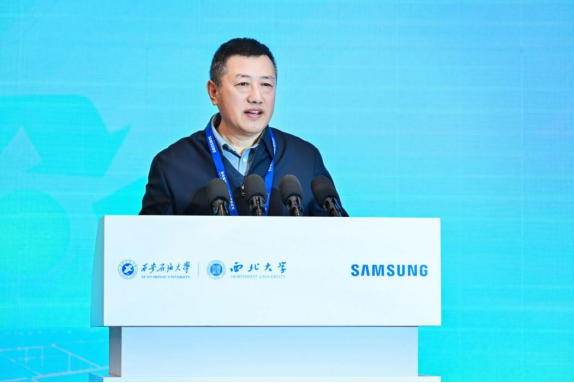
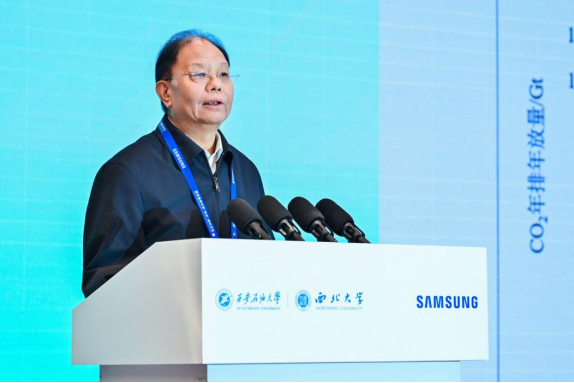
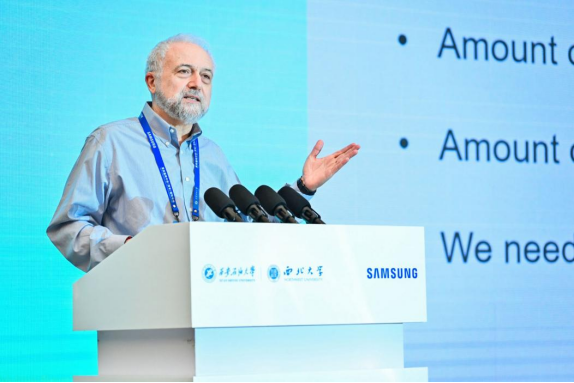
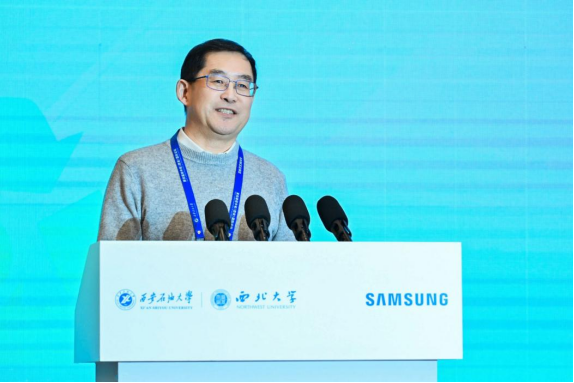
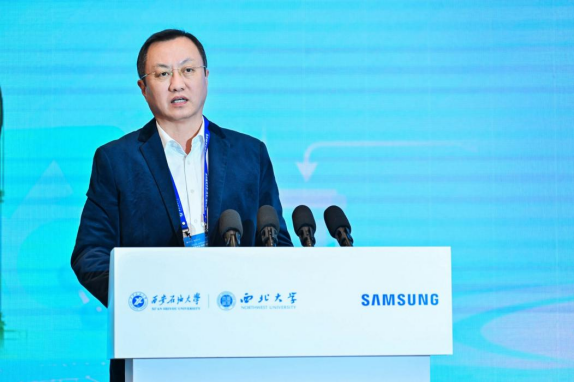
Vice President Zhang RongjunHosted over the Keynote Session
In the two sub-forums entitledCCUSandLow-Carbon Transition Pathways for Fossil Energy and Industrial Pattern and Collaborative Development amid the Rise of New Energy, scholars and enterprise experts from a number of universities, research institutions and enterprises delivered presentations on their latest research findings. These institutions include China University of Petroleum (Beijing), China University of Petroleum (East China), Xi’an Jiaotong University, Xi’an Shiyou University, Northwest University, Yangtze University, Northeast Petroleum University, Skolkovo Institute of Science and Technology, Satbayev University, PetroChina Changqing Oilfield Company and Shaanxi Yanchang Petroleum (Group) Co., Ltd.. Their research covers CCUS monitoring, CO₂ storage characterization, CO₂ enhanced oil recovery, intelligent drilling and completion, and electricity-hydrogen-ammonia coupling systems.
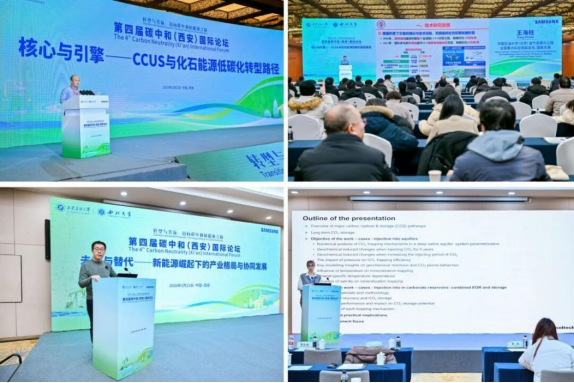
Through high-level reports and wide-ranging exchanges, the forum showed the key mission and innovation directions of the energy sector under the carbon neutrality goal. It built an important platform for international cooperation on green technologies and the low-carbon development of the energy industry, and provided practical solutions for global low-carbon energy transition and sustainable development.


