On May 18, the inauguration ceremony of the Xi’an Shiyou University (Chengdu) Institute of Oil and Gas Development and a symposium marking the establishment of Xi'an Shiyou (Chengdu) Oil and Gas TechnologyCompany Limited. were successfully held at Qiyi Square in Xindu District, Chengdu.
The event brought together representatives from government, industry, and academia, including Wei Ke, Secretary of the CPC Xindu District Committee; He Kaifeng, Vice Mayor of Xindu District and Secretary of the Party Working Committee of Xindu High-tech Industrial Development Zone; Jiang Yujie, General Manager and Deputy Secretary of the Party Committee of Kunlun TrustCompany Limited.; Xiong Wenchao, President of the Northwest Regional Business Headquarters of Kunlun TrustCompany Limited.; Wang Jinfu, President of Xi’an Shiyou University; Cui Shizhang, Director of the University’s Institute of Marginal Oil and Gas DevelopmentTechnology; Peng Xian, Senior Expert in Oil and Gas Field Development at PetroChina Southwest Oil & Gasfield Company; Sun Hu, Deputy General Manager of CNPC Chuanqing Drilling EngineeringCompany Limited;Shao Zongtang, Chairman of Chengdu Keneng Petroleum TechnologyCompany Limited.; and Tang Haiqing, Chairman of AOS Energy Technology (Chengdu)Company Limited.
The gathering marked a significant milestone in advancing innovation in the oil and gas industry and deepening collaboration among universities, local governments, and enterprises. The ceremony was chaired by Zhang Rongjun, Vice President of Xi’an Shiyou University.
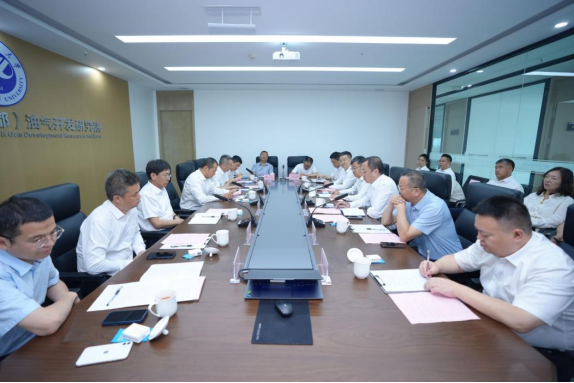
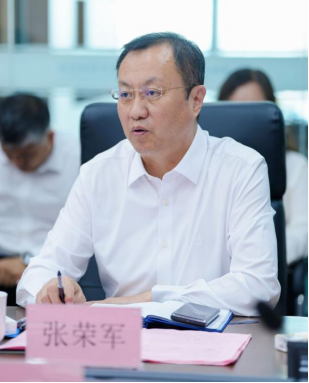
The inauguration ceremony officially commenced under the chairmanship of Zhang Rongjun, Vice President of Xi’an Shiyou University. In his opening remarks, Wang Jinfu, President of the University, expressed his sincere appreciation through the themes of“three expressions of gratitude”and“three key dimensions,”thanking government authorities and industry partners at all levels for their long-standing support for the University's development. Framing his remarks within China's national energy strategy and the evolving needs of the oil and gas industry, he outlined an ambitious vision for the Institute's future development and expressed high expectations for its role in advancing technological innovation and talent cultivation.
The ceremony reached its highlight as Jiang Yujie, Wang Jinfu, Sun Hu, and Cui Shizhang jointly unveiled the plaque for the Xi’an Shiyou University (Chengdu) Institute of Oil and Gas Development in the presence of all distinguished guests. The unveiling marked the official launch of a collaborative innovation platform integrating the strengths of the University, local government, and industry, opening a new chapter in coordinated innovation and high-quality development. The event concluded with a group photo of all participants, commemorating this milestone occasion in the University’s development.
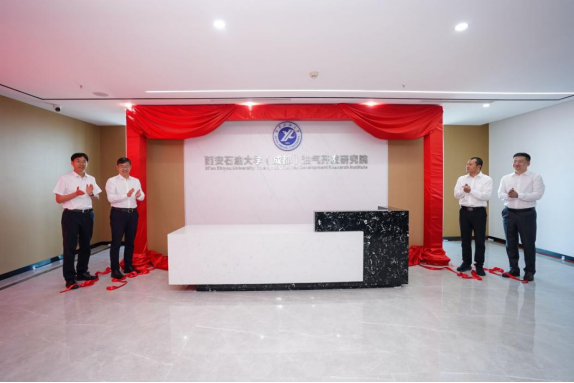
Following the unveiling ceremony, participants gathered in the Institute’s conference room for an in-depth symposium focusing on technology empowerment, capital support, and industrial collaboration.
During the symposium, Wang Jinfu, President of Xi’an Shiyou University, emphasized that the establishment of the Xi’an Shiyou University (Chengdu) Institute of Oil and Gas Development represents not only a major milestone in advancing university-local government cooperation and deepening industry-university-research integration, but also a concrete step in supporting China's national energy security strategy and fulfilling the University’s mission in serving the energy sector.
Looking ahead to the Institute’s development, Wang outlined three key priorities.
First, the Institute should pursue high-level strategic planning to build a leading innovation hub. It should benchmark itself against the global frontier of oil and gas development technologies, address critical technological bottlenecks facing the industry, and organize targeted research programs to tackle key challenges, particularly those involving core technologies essential to oil and gas development.
Second, the Institute should uphold high standards in talent development by attracting world-class expertise. Wang noted that talent is the primary driver of innovation and stressed the importance of leveraging the University’s disciplinary strengths and the research capabilities of the Institute of Marginal Oil and Gas Development Technology, while making full use of Xindu District’s supportive talent policies to build a high-caliber research team with a sound disciplinary structure and strong innovation capacity.
Third, the Institute should pursue high-quality operational management to accelerate the commercialization of research outcomes. Wang emphasized the need to adopt a market-oriented approach, break away from traditional development models, and establish an integrated innovation chain spanning basic research, technological breakthroughs, technology transfer, and industrial incubation. Such an approach, he noted, will help maximize both the economic and societal value of scientific and technological achievements.
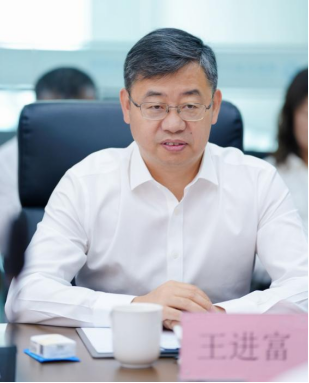
Jiang Yujie extended his congratulations on the establishment of the Institute, noting that Kunlun Trust has long been committed to promoting the integration of industry and finance as a key player in the energy finance sector.
Looking ahead, Jiang outlined three priorities for future cooperation.
First, strengthening financial support to drive innovation. He said Kunlun Trust will fully leverage the advantages of the trust system and its expertise in financial services to provide robust financial backing for the Institute's scientific research, technological innovation, and the market-oriented operation of the company.
Second, enhancing resource integration to foster collaboration. By connecting the Institute with high-quality partners across the upstream and downstream segments of the industrial chain, Kunlun Trust will facilitate closer alignment between technological innovation and market demand, accelerating the commercialization of research outcomes.
Third, exploring innovative cooperation models for mutual benefit. Jiang proposed that both sides take the lead in exploring new collaboration mechanisms in areas such as equity investment and technology commercialization funds, with the aim of developing a new model that integrates industry, academia, research, and finance to drive collaborative innovation and sustainable growth.
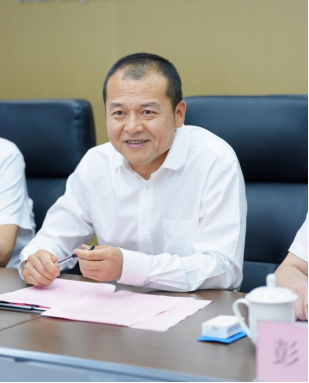
In his closing remarks, Zhang Rongjun, Vice President of Xi’an Shiyou University, noted that representatives from government, industry, and academia had jointly witnessed the inauguration of the Xi’an Shiyou University (Chengdu) Institute of Oil and Gas Development. He said the symposium had generated extensive consensus through in-depth discussions centered on the key question of how to build, operate, and further develop the Institute.
Looking ahead, Zhang outlined three key priorities for the University's next phase of work.
First, the University will accelerate the Institute's full-scale operation, focusing on critical technological bottlenecks in oil and gas development while building a collaborative innovation platform that integrates industry, academia, research, and practical application.
Second, it will advance the market-oriented operation of the company, leveraging the University's research strengths together with local industrial resources to promote the commercialization of scientific and technological achievements while generating both economic and social value.
Third, the University will further strengthen collaboration among the University, local government, and industry by working closely with Xindu District, Kunlun Trust, Deshi Group, and other strategic partners to establish a sustainable cooperation framework characterized by resource sharing, complementary strengths, and mutual benefit.
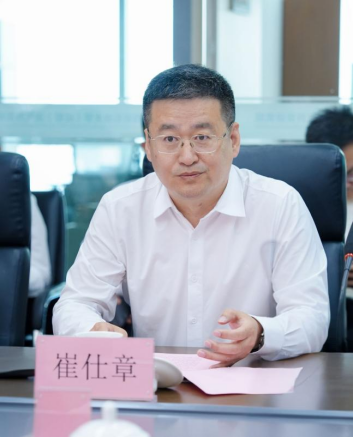
Cui Shizhang, Director of the Institute of Marginal Oil and Gas Development Technology, briefed participants on the Institute's establishment, its current progress, and the roadmap for future development.
He said the Institute is strategically positioned to build on Chengdu’s strengths, serve the needs of the oil and gas industry, and extend its impact across Southwest China. Reaffirming the team's commitment to innovation-driven development, Cui expressed confidence that the Institute will deepen collaboration among industry, academia, research, and application, providing strong support for technological innovation and the high-quality development of the oil and gas sector.
During the exchange and discussion session, the attending guests spoke freely on topics such as technological innovation in oil and gas development, industry-academia-research cooperation models, and pathways for the transformation of research achievements. They offered valuable suggestions and recommendations for the development of the research institute.
As the symposium drew to a successful close, the Xi’an Shiyou University (Chengdu) Oil and Gas Development Research Institute officially began operations. In the future, the institute will take“solving real industry problems and cultivating new momentum for the sector” as its core mission. It will focus on technological innovation in oil and gas development and the transformation of research outcomes, continuously deepen collaboration among universities, local governments, and enterprises, and contribute its wisdom and strength to the high-quality development of China’s oil and gas industry.
Representatives from the following organizations attended the event: the Xindu District Party Committee Office, the District Bureau of Commerce, the District Bureau of Science, Technology and New Economy, the Equity Business Management Department of Kunlun Trust, the Administrative Center and Gas Field Business Division of Deshi Group, the University Party Committee Office (President’s Office), the Personnel Department, the Alumni Affairs and Cooperation Exchange Office, Xi’an Shida Asset Management Co., Ltd., the Marginal Oil and Gas Development Technology Research Institute, the Scientific Research Department, and other relevant departments.


